There is nothing quite like the satisfaction of peeling the protective film off a newly installed window or walking across a freshly laid floor after you’re done renovating.
However, once the builders have packed their tools and driven away, many homeowners fall into the trap of believing the property is “ready”, which couldn’t be further from the truth, as the cleanup phase is just as critical as finalising the project itself.
Here are 7 post-construction mistakes you should avoid to protect your investment and ensure your home is truly clean after.
The Danger Of Fine Silica Dust
The primary reason why DIY post-construction cleaning often fails is a fundamental misunderstanding of what “dust” actually is in a building context.
During the renovation process, materials like concrete, brick, tile, and stone are cut, sanded, and drilled. This releases respirable crystalline silica into the air.
Unlike household dust, which is largely made of skin cells and fabric fibres, silica dust is extremely fine, abrasive, and potentially harmful to lung health if inhaled over time.
The major oversight here is attempting to clean this dust with a standard household vacuum or a dry cloth.
Household vacuums are not designed to filter particles this small; instead, they often blow the silica dust straight out of the exhaust and back into the air, creating a cycle where you are essentially moving the dust from the floor to your lungs.
Similarly, dry dusting simply stirs the particles, allowing them to settle elsewhere. Professionals understand that this requires HEPA-filtered industrial vacuums and specific wet-cleaning techniques that trap dust rather than redistribute it.
Ignoring this often results in a lingering haze that reappears on furniture for weeks after the builders have finished.
See also: About Datrihelminen Life
Forgetting To Clean Inside Cabinetry And Drawers
When undertaking a construction project, dust becomes airborne in the room and travels through every nook and cranny.
Many homeowners focus their cleaning efforts on the visible surface areas: kitchen islands, dining tables, and floors. However, a common oversight is failing to open and clean the interiors of new cabinetry and drawers.
Even with doors shut, fine dust particles infiltrate hinges, runners, and storage spaces. If you store plates, glassware, or linens in these new cabinets without thoroughly cleaning them, you are effectively introducing construction debris into your dinnerware and clothing.
This can lead to gritty surfaces, scratched glassware, and the continuous release of dust into the air every time you open a drawer.
A comprehensive clean requires vacuuming the inside of the carcass, wiping down the runner mechanisms with a damp cloth, and cleaning the interiors of the doors.
If you have had a new kitchen installed, treat the interior of every cupboard as a high-priority zone.
Neglecting The Air Vents And Ductwork
This is perhaps the most significant oversight for the long-term good condition of the property.
During construction, the HVAC system—or even standard extractor fans—is often left running or uncovered. These systems act as powerful magnets for dust, pulling fine particles into the ductwork and ventilation shafts.
If you clean your home thoroughly but fail to address the vents, the first time you switch on your heating or air conditioning, your system will act as a giant bellows, blowing accumulated construction dust throughout the entire property.
This creates a cycle where you find yourself cleaning the same rooms repeatedly for months.
Experts know that post-construction cleaning must include inspecting and cleaning ventilation covers, registers, and, where possible, the ducts themselves to prevent recontamination of your newly finished spaces.
Failing to do this can also clog your HVAC filters, forcing the system to work harder and increasing your energy bills.
Improper Disposal Of Hazardous Construction Waste
Construction projects inevitably generate debris that cannot go in the standard household rubbish bin.
Paint cans, solvents, adhesive containers, and offcuts of treated timber require specific disposal methods.
A frequent mistake is assuming that these items are just “rubbish” and leaving them in an informal pile, or worse, attempting to put them out with the regular weekly collection.
Beyond environmental regulations, improper storage of these items can pose a safety hazard.
Leftover solvents or paints can leak, causing chemical damage to new floors or surfaces, or emit volatile organic compounds (VOCs) that affect indoor air quality.
Ensuring that all hazardous waste is properly segregated and disposed of in accordance with local council guidelines is a vital part of the post-construction process.
If you have been left with a significant amount of waste, consider arranging a dedicated removal service rather than letting these items linger in your garden or garage.
Skipping The Carpet Deep Clean
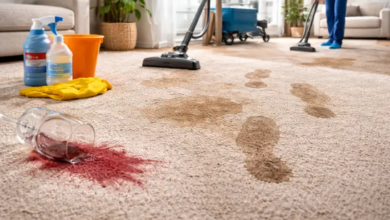
Carpets are effectively giant filters. During a renovation, they trap an immense amount of heavy dust and debris in their deep pile. Standard vacuuming will remove the surface-level debris, but the silica and plaster dust will remain embedded near the carpet backing.
Over time, this trapped debris acts like sandpaper. As you walk on the carpet, the sharp particles grind against the carpet fibres, causing them to fray and wear down prematurely. This can significantly shorten the lifespan of your flooring.
A professional-grade deep clean or steam extraction is necessary to pull this abrasive material out from the base of the carpet.
If you have had construction work done in a room with carpet, treat your flooring as if it were deeply soiled rather than just lightly dusty.
Even if the carpet looks clean to the naked eye, the microscopic damage occurring beneath the surface makes professional intervention a wise protective measure.
For those overwhelmed by the scale of the dust, opting for a post construction cleaning in Manchester or your local area can ensure these deep-set particles are removed effectively.
Overlooking The Window Tracks And Frames
Windows are often the final frontier of construction mess. While the glass itself usually gets a quick wipe to remove fingerprints, the tracks, frames, and sills are frequently ignored. Construction dust settles heavily in the crevices of window frames.
If left, this dust can mix with moisture—from condensation or rain—to create a gritty, cement-like paste.
This buildup can eventually seize the window mechanism, making it difficult to open or lock, and can even stain the frames, particularly if they are UPVC.
Moreover, the dust that gathers on the sills is easily blown back into the home by a breeze, undoing your hard work in the other rooms.
Cleaning the tracks with a crevice tool and wiping down the frames with a material-safe cleaner is essential for maintaining the longevity and proper operation of your windows.
Ensure you check the exterior tracks as well, as these are often forgotten during interior renovations.
Leaving Grout Haze On New Tiles
For anyone who has installed new tiling, grout haze is the nemesis of a perfect finish. It is a thin, filmy residue left on tile surfaces after the grouting process. It can be deceptive; when wet, the tiles look perfect, but once they dry, a cloudy, dull film appears.
Many people make the mistake of using harsh abrasive scrubbers to remove this, which can scratch the tiles’ glaze or compromise the integrity of newly laid grout lines.
Professionals use specialised, pH-balanced cleaning solutions and appropriate agitation techniques to gently lift the haze without compromising the tile’s finish.
It is a delicate task that requires patience and the right chemistry; rushing it often leads to unsightly streaks that are incredibly difficult to remove later once the grout has fully cured.
Taking the time to properly seal and clean your new tiles will pay off in the years to come, keeping your bathroom or kitchen looking as new as the day it was finished.
Conclusion
Now that you know what to avoid, you are better prepared to manage the cleaning tasks after your home renovation.
Whether you choose to do the cleanup by yourself or hire a professional team, the priority remains the same: thoroughness and the right equipment.
Remember, a proper cleaning is the final, non-negotiable step to completing your home transformation and protecting your and your family’s health.
Good luck!