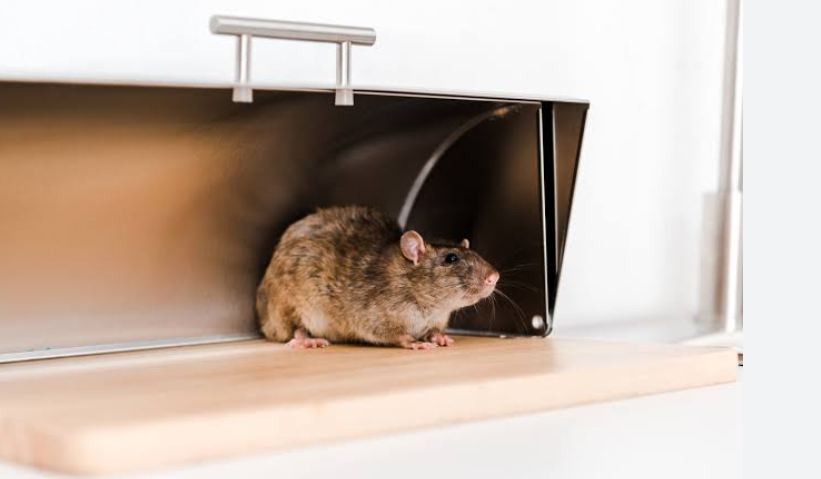
Rodents don’t need much to feel at home. A small gap in the brickwork, a warm corner behind an appliance, or a quiet loft can be all they need to settle in.
The tricky part is that they’re experts at staying out of sight until the signs become impossible to ignore. Knowing where to look can help you spot an infestation early, protect your home from costly damage, and avoid the health risks that come with unwelcome furry tenants.
Whether you live in a Victorian terrace, a modern flat, or a detached family home, these are the places worth checking first.
The Loft Is Usually the First Place to Look
If your loft only gets a visitor once or twice a year, rodents are probably hoping you keep it that way.
Lofts offer warmth, shelter, and plenty of nesting material, making them one of the most attractive hiding places in any home.
In older properties around Clapham and many other parts of London, small gaps around roof tiles, soffits, or eaves can provide easy access without anyone noticing.
Mice are surprisingly athletic. They can jump around 30 centimetres vertically, climb rough brick walls, and squeeze through gaps no wider than 6 millimetres, roughly the width of a pencil.
Rats need a little more room, but not much, making even tiny openings around rooflines worth sealing.
Keep an eye out for droppings, shredded insulation, gnaw marks, or scratching sounds after dark. Houses creak from time to time. Rodents scratch, scamper, and rarely pay much attention to your bedtime.
Behind Appliances Is Prime Rodent Territory
Pulling the fridge away from the wall probably isn’t at the top of your weekend plans, but it’s one of the easiest ways to uncover a hidden problem.
The spaces behind refrigerators, ovens, washing machines, and dishwashers stay warm throughout the day, while forgotten crumbs provide an effortless food source. It’s everything a mouse or rat could ask for without paying a penny in rent.
Moving large appliances every so often allows you to clean away food debris, inspect for droppings, nesting material, chewed cables, or greasy rub marks, and catch an infestation before it spreads beyond the kitchen.
Your Walls May Be Hiding Unwanted Guests
Most walls look reassuringly solid. Then again, rodents know better, and they always try their luck.
One reason rodents are so difficult to spot is that they’re naturally cautious. They’ll often travel along walls rather than across open spaces because it offers protection from predators.
That’s also why droppings and rub marks usually appear close to skirting boards rather than in the middle of a room.
Wall cavities create sheltered pathways that allow mice and rats to travel through your home without ever crossing the floor. Tiny openings around pipes, electrical cables, vents, or damaged brickwork are often all they need to get inside.
If you hear scratching, particularly during the evening or early morning, don’t ignore it. Sealing exterior gaps with rodent-resistant materials, including steel wool and suitable sealants, can make your home far less inviting.
Take a Look Beneath the Floorboards
Underfloor spaces are easy to forget because they’re rarely seen, but rodents appreciate that just as much as homeowners do.
Crawl spaces and suspended timber floors provide darkness, shelter, and plenty of room for nesting. Clutter, stored materials, moisture, and neglected ventilation only make these areas more appealing.
Checking beneath the floor where possible, clearing unnecessary items, and fitting secure vent covers can reduce the chances of rodents settling in. It doesn’t take much effort, but it removes one of their favourite places to stay hidden.
Garages and Sheds Make Ideal Hideouts
The place where you store bicycles, paint tins, gardening tools, and bags of birdseed can easily become a comfortable home for rodents.
Garages and sheds often provide warmth, shelter, and easy access to food, particularly if pet food, grass seed, or compost is left in open packaging.
During colder months, these outbuildings become even more attractive as rodents search for somewhere dry to escape the weather.
To avoid that, try to store supplies in sturdy sealed containers, tidy away clutter, and inspect corners regularly for droppings, nesting material, or chew marks. The less welcoming these spaces become, the more likely rodents are to move elsewhere.
Kitchen Cupboards Offer More Than Food Storage
Your pantry might look perfectly organised, but rodents are far more interested in what’s inside than how neatly it’s arranged.
Even tiny amounts of spilt cereal, flour, or pet food can attract mice into cupboards and cabinets. Once inside, they’ll happily chew through cardboard and thin plastic packaging to reach an easy meal.
Keeping dry foods in airtight containers, wiping up spills promptly, and checking dark corners for droppings or gnaw marks make your kitchen much less appealing.
If you’re using traps, placing them discreetly along walls or near suspected entry points helps detect activity early.
Don’t Overlook the Roof Space
Roof spaces often share many of the same qualities as lofts, but they also include vents, junctions, and roofline features that can become unnoticed entry points.
Damaged vent covers, loose flashing, and small gaps beneath roof tiles may be enough for rodents to squeeze inside. Once there, they can chew insulation, damage wiring, and quietly expand their nesting areas before anyone realises they’re present.
A quick visual inspection every few months, particularly after storms or strong winds, can help you spot potential access points before rodents do.
See also: Operational Upgrades Helping Businesses Stay Competitive in Faster Markets
Know When It’s Time to Bring in the Professionals
Sometimes, the signs are impossible to miss. Persistent scratching, fresh droppings, unpleasant odours, or repeated sightings usually mean that the problem extends well beyond one hiding place.
Professional pest controllers know where rodents are most likely to nest, how they’re entering your property, and what it takes to stop them from returning.
If you’re looking for reliable pest control in Clapham, experienced specialists can carry out a thorough inspection, identify hidden access points, and put effective long-term prevention measures in place.
It’s often the quickest way to protect both your home and your peace of mind.
Conclusion
Rodents are remarkably good at finding places that people rarely think about, from lofts and wall cavities to garages, cupboards, and underfloor spaces.
The good news is that regular inspections, sensible storage, and sealing small entry points can make your home far less attractive to unwelcome visitors.
By knowing where to look and acting on the early warning signs, you’ll be far more likely to stop a minor nuisance from becoming a major infestation and keep your home clean, safe, and rodent-free.