Meta Description: Not every home is a good fit for solar.Here are the seven key factors that determine if panels will actually save you money.
Determining whether solar panels are worth installing requires a careful look at household energy use, costs, and long-term plans. While solar technology has become more accessible and efficient, not every home will experience the same financial return. Factors such as roof orientation, local electricity rates, and installation costs all influence whether the investment makes sense. Understanding these practical considerations helps homeowners avoid unrealistic expectations and make informed decisions. In this article, readers will explore seven essential factors that determine whether solar panels are truly worth it for a specific home.
1. Your Monthly Electric Bill
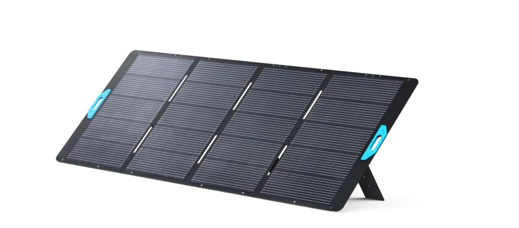
The size of a household’s monthly electric bill is one of the clearest indicators of whether solar panels will deliver meaningful savings. Homes with higher electricity usage—whether from heating, cooling, or EV charging—typically see faster returns by replacing costly grid power with solar energy. Reviewing at least 12 months of utility bills helps reveal actual annual consumption patterns and confirms whether solar makes financial sense. For households where electricity costs are consistently high, choosing the right equipment becomes essential. High-efficiency panels solar home, like those from Anker, are designed with advanced cell technology to maximize output even in limited roof space. By matching system capacity to real-world energy usage, homeowners can ensure their solar investment delivers measurable value—neither overproducing nor falling short—while keeping monthly savings both consistent and predictable.
2. Your Roof’s Sun Exposure
Roof orientation and shading directly affect how much sunlight panels can capture. South-facing roofs in the northern hemisphere generally receive the most consistent sunlight throughout the day, increasing overall system productivity. Trees, nearby buildings, and roof obstructions can reduce efficiency by casting shadows during peak hours. Even partial shading can lower output, especially if panels are installed in series without optimization. A professional assessment can determine whether the available sunlight justifies installation costs. Homes with clear, unobstructed exposure are typically strong candidates for solar investment.
3. Your Local Climate
Climate influences both energy production and seasonal performance. Areas with frequent sunshine naturally generate more electricity from solar panels, while regions with extended cloudy periods may experience slower returns. However, modern panels can still produce energy in indirect sunlight, making solar viable in many climates. Snow accumulation may temporarily reduce output but can also reflect additional sunlight once cleared. High temperatures can slightly decrease panel efficiency, though proper installation and ventilation help mitigate this effect. Evaluating average annual sunlight hours provides a realistic projection of system performance.
4. Local Electricity Rates
High Rates Make Solar More Valuable
Electricity rates play a major role in determining solar value. When local utility prices are high, replacing grid electricity with solar power results in greater monthly savings. In these situations, the payback period shortens because each kilowatt-hour generated offsets a higher expense. Households in high-rate regions often see more substantial long-term returns from installation. Over time, rising utility costs can further increase the financial advantage of producing electricity at home. Understanding current and projected energy rates helps clarify whether solar will deliver consistent savings.
Net Metering Policies Affect Savings
Net metering allows homeowners to receive credit for excess electricity sent back to the grid. When favorable policies are in place, surplus daytime production can offset nighttime consumption, increasing overall system value. If compensation rates are low or limited, savings may be reduced. Reviewing local regulations ensures realistic financial expectations before installation. Homes with strong net metering support typically experience faster payback periods. Evaluating these policies carefully ensures that projected savings align with actual utility billing practices.
5. Factor: How Long You’ll Stay
Payback Takes 6–10 Years Typically
Solar panel systems usually require several years to recover installation costs through energy savings. In many cases, payback periods range between six and ten years, depending on electricity rates and system size. Households planning to remain in their homes long-term are more likely to benefit financially. After the system pays for itself, ongoing electricity production effectively reduces monthly expenses. Considering long-term residency plans helps determine whether the investment timeline is realistic. Stability in homeownership increases the likelihood of meaningful financial returns.
Moving Soon? Panels May Not Pencil Out
Homeowners planning to move within a few years may not experience full financial benefits. Although solar panels can increase property appeal, resale value depends on market conditions and buyer preferences. If the system has not reached its payback period, savings may be incomplete. Installation costs should be weighed against expected occupancy duration. In some cases, short-term ownership reduces the financial advantage of going solar. Careful evaluation prevents overinvestment in systems that cannot fully deliver returns.
6. Available Incentives
Financial incentives significantly influence solar affordability. Rebates, tax credits, and local programs can reduce upfront costs and shorten payback timelines. Understanding eligibility requirements ensures that homeowners capture all available benefits. Incentives vary by location and may change over time, making timely planning important. Calculating net installation cost after incentives provides a clearer picture of the actual investment. Factoring these programs into financial projections improves decision-making accuracy.
See also: <strong>Transforming Facility Management Through Technology</strong>
7. Installation and Maintenance Costs
Installation costs include equipment, labor, permits, and potential roof adjustments. Maintenance requirements are generally minimal, but periodic inspections and cleaning help preserve efficiency. Quality panels with durable construction reduce long-term repair expenses. Comparing upfront investment with projected savings clarifies whether the numbers make sense. Factoring maintenance into long-term budgeting ensures realistic expectations. A thorough cost analysis prevents unexpected expenses and supports confident decision-making.
Conclusion
Determining whether solar panels are worth it requires balancing energy consumption, roof suitability, local electricity rates, and long-term plans. Homes with high electricity bills, strong sun exposure, and favorable net metering policies typically see the greatest financial benefit. Evaluating payback timelines and available incentives ensures that the investment aligns with personal goals. Installation and maintenance costs must also be considered to achieve accurate projections. When conditions are favorable, a well-designed solar panel system can provide reliable savings and energy independence. Careful assessment of these seven factors helps homeowners make informed, practical decisions about adopting solar power.