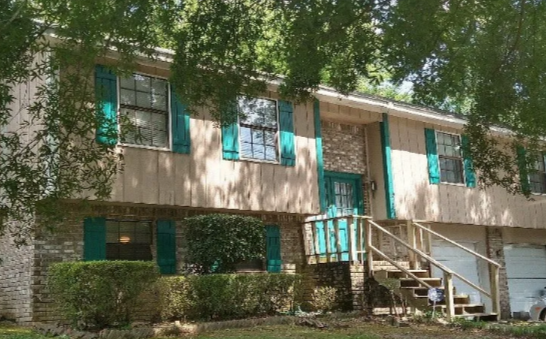
Rental property is often seen as a solid conservative business asset—one expected to deliver steady income, long-term value, and a sense of security. Over time, however, many owners across the South discover that what once felt like a smart investment begins to demand more attention, cash, and patience than anticipated. Rising operating costs, ongoing maintenance, tenant challenges, and shifting local markets can quietly eat into returns. When margins tighten and day-to-day involvement grows, ownership starts to feel less like an asset and more like a responsibility. At that point, the question is no longer how to work harder to make the property perform—but whether holding it still makes good business sense. Recognizing when a rental stops pulling its weight is often the first step toward clearer, more confident decisions about what comes next.
Signs a Rental Property Is No Longer Pulling Its Weight
There are usually clear signs when a rental property starts falling short as a business asset. Shrinking margins are often the first red flag, as rising taxes, insurance, and repair costs quietly chip away at what once felt like reliable cash flow. At the same time, the time required to manage the property tends to grow—more calls, more coordination, and more issues that demand immediate attention. Deferred maintenance adds another layer of risk, turning small, manageable fixes into expensive projects down the road. Then there’s tenant-related stress, from late payments to lease disputes and turnover, which can drain both energy and focus. When these pressures begin to stack up, many owners realize the property is no longer working for them—it’s working against them.
The Hidden Costs Owners Rarely Factor In
Some of the most expensive costs of owning a rental property never appear in monthly statements. Opportunity cost is a major one, as capital tied up in an underperforming asset could be redeployed into opportunities with better returns or less friction. Management fatigue also builds gradually, especially for owners balancing full-time work, multiple properties, or out-of-state ownership. Even when numbers technically pencil out, the ongoing mental load of oversight, decision-making, and problem-solving can wear thin. Capital that remains locked into a single property limits flexibility, reducing an owner’s ability to adapt as markets shift. Over time, these pressures can affect lifestyle as much as finances, turning ownership from a strategic investment into a persistent source of stress. Recognizing these hidden costs allows owners to assess performance more clearly and make decisions aligned with both business and quality-of-life goals.
Holding, Repositioning, or Exiting the Asset
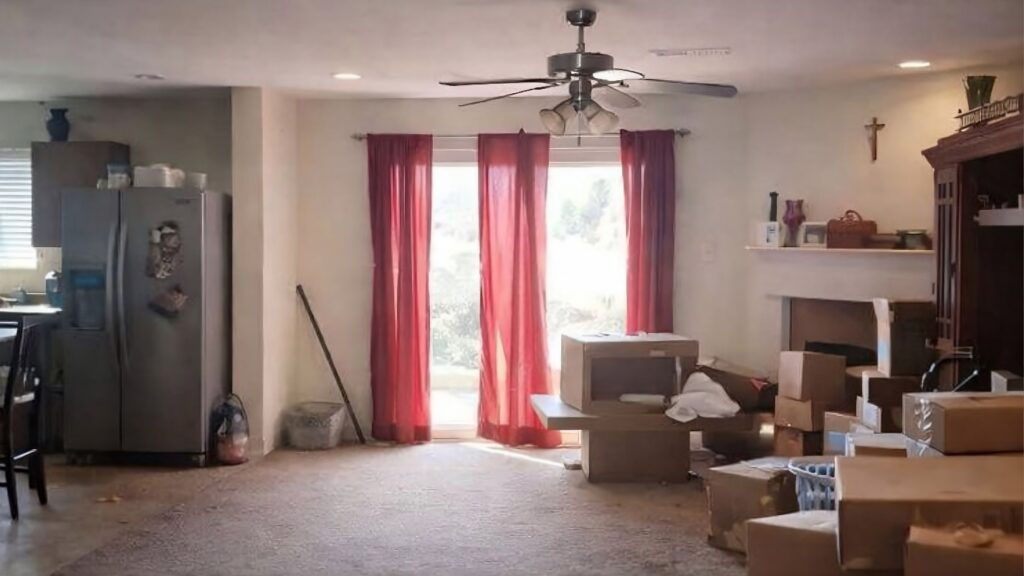
Once owners recognize that a rental property is no longer performing as expected, the conversation naturally shifts to what comes next. For some, holding the property still makes sense—especially if market conditions are temporary or long-term appreciation remains a priority. Others explore repositioning the asset, whether through targeted improvements, rent adjustments, or changes in management strategy aimed at restoring profitability. But there are also situations where neither option meaningfully improves the outlook. In those cases, exiting the asset becomes a strategic consideration rather than a reactive one. Selling is not about giving up; it’s about reallocating capital and attention toward opportunities that better support current goals. This decision often comes down to clarity—understanding what the property realistically delivers versus what it demands in time, money, and energy. When ownership no longer aligns with broader business objectives or lifestyle priorities, holding on can quietly limit growth elsewhere. Viewing the property through a business lens allows owners to weigh each option objectively and choose the path that creates the most flexibility, stability, and long-term value moving forward.
Why Traditional Sales Aren’t Always the Best Fit
For rental property owners, selling through traditional channels is not always as straightforward as it sounds. Properties with tenants in place can complicate showings, timelines, and negotiations, especially when leases restrict access or buyers are hesitant to inherit existing arrangements. Vacant rentals often come with their own challenges, requiring cleaning, repairs, or updates before they are ready for the open market. Even then, listing a property can mean months of uncertainty, buyer financing delays, inspections, and repeated negotiations that stretch both time and patience. For owners already feeling stretched thin, this process can add another layer of stress rather than relief. While traditional sales work well in many situations, they are not always the most practical option for landlords seeking clarity, speed, and predictable outcomes—particularly when the goal is to reduce friction and move forward efficiently.
Streamlined Exit Options for Tired Landlords
For owners who are ready to step away, streamlined exit options can offer a more practical path forward. Direct off-market sale solutions, for example, are designed to reduce uncertainty by removing many of the moving parts that slow traditional transactions. These approaches often allow properties to be sold as-is, without the need for repairs, staging, or extended marketing periods. Timelines tend to be clearer, paperwork simpler, and outcomes more predictable—qualities that matter when time and mental bandwidth are already stretched. While these options may not appeal to every seller, they can be especially valuable for landlords’ prioritizing efficiency and certainty over squeezing out every last dollar. In many cases, the ability to close on a defined schedule and move on cleanly outweighs the potential upside of a longer, more demanding sales process. For tired landlords, reducing friction is often the first real step toward regaining control and flexibility.
Reframing the Decision as a Business Move
Letting go of a rental property is often framed as an emotional or reactive choice, but for many owners, it is simply a business decision made at the right time. Real estate should support long-term goals, not quietly drain resources, attention, or flexibility. Reframing the decision to sell as a strategic realignment—rather than a loss—allows owners to move forward with clarity and confidence. For those evaluating next steps, reviewing practical exit options through experienced local buyers, such as www.levihomebuyers.com, can help provide perspective without adding unnecessary pressure. Whether that means redeploying capital, simplifying operations, or reducing day-to-day demands, the outcome is often greater control and focus. In the end, the most successful investors are not defined by how long they hold an asset, but by knowing when it no longer serves their broader business vision.