High-Quality Switchgear Products for Reliable Electrical Power Distribution Systems

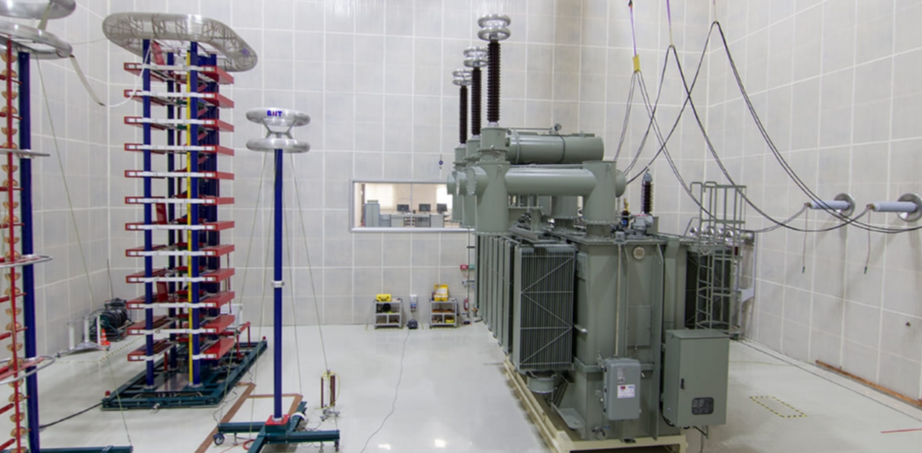
In modern electrical infrastructure, the need for reliable, safe, and efficient power distribution systems has never been greater. High-quality switchgear products are the backbone of these systems, ensuring smooth operation, protecting equipment, and maintaining uninterrupted power supply across residential, commercial, and industrial facilities.
Switchgear serves as a centralized point for controlling, protecting, and isolating electrical circuits. From low voltage panels to medium and high voltage assemblies, these products are essential for managing electrical power safely and efficiently. Choosing the right switchgear ensures not only operational reliability but also compliance with international safety standards.
This article provides an in-depth look at high-quality switchgear products, their components, design considerations, safety features, installation best practices, operational strategies, and the benefits they bring to reliable electrical power distribution systems.
Understanding Switchgear Products
What is Electrical Switchgear?
Electrical switchgear is a collection of devices designed to control, protect, and isolate electrical circuits. It includes circuit breakers, fuses, disconnectors, protective relays, busbars, and monitoring instruments. Switchgear is installed at the distribution level to manage the flow of electricity from power sources to various circuits.
By integrating switchgear into power systems, operators can:
- Prevent overloads and short circuits
- Enable safe maintenance operations
- Monitor and manage electrical loads efficiently
Importance of High-Quality Switchgear
High-quality switchgear products are critical for:
- Safety: Protects personnel and equipment from electrical faults and hazards
- Reliability: Ensures uninterrupted power supply and reduces downtime
- Efficiency: Optimizes energy distribution and reduces losses
- Scalability: Supports future expansions and changes in power demand
Key Components of Switchgear
Circuit Breakers
Circuit breakers are the core of switchgear systems. They automatically disconnect the electrical supply in the event of overloads or short circuits, preventing damage to equipment and ensuring safety. Types of circuit breakers include:
- Air Circuit Breakers (ACB): Suitable for low voltage applications
- Vacuum Circuit Breakers (VCB): Used in medium voltage systems with high reliability
- SF6 Circuit Breakers: High voltage applications with excellent insulation and fault-handling capabilities
Disconnectors and Isolators
Disconnectors provide a means to safely isolate electrical circuits during maintenance or emergencies. They ensure no accidental energization occurs, protecting maintenance personnel and equipment.
Busbars
Busbars are conductive elements that distribute electricity within switchgear panels. They are designed to handle high currents efficiently and provide a stable connection to multiple circuits.
Protective Relays and Fuses
Protective relays monitor electrical parameters and trigger circuit breakers when abnormal conditions occur. Fuses offer additional protection by interrupting current flow during overloads. Proper coordination ensures selective tripping, isolating only the affected section.
Control and Monitoring Devices
Modern switchgear incorporates meters, sensors, and communication interfaces that provide real-time information about voltage, current, and power quality. This monitoring capability enables predictive maintenance, operational efficiency, and rapid fault detection.
Design Considerations for High-Quality Switchgear
Load Assessment and Capacity Planning
Proper load assessment is critical for designing switchgear that meets operational requirements. Engineers must calculate:
- Total connected load
- Peak demand
- Future expansion needs
Accurate load planning ensures safety, prevents equipment failure, and minimizes nuisance tripping.
Layout and Accessibility
Switchgear panels should be arranged to allow easy access for operation, inspection, and maintenance. Clear labeling and organized internal layouts simplify troubleshooting and improve safety.
Environmental and Enclosure Considerations
Switchgear enclosures protect internal components from dust, moisture, heat, and mechanical stress. Appropriate IP ratings and ventilation systems are essential for maintaining long-term performance.
Compliance with Standards
High-quality switchgear must comply with international standards, such as IEC, ANSI, and IEEE. Compliance guarantees that the products are safe, reliable, and suitable for their intended application.
Safety Features of High-Quality Switchgear
Overcurrent and Short Circuit Protection
Circuit breakers and protective relays detect excessive currents and interrupt the circuit, minimizing damage to equipment and reducing the risk of fire or electrical hazards.
Grounding and Earthing
Effective grounding directs fault currents safely into the earth, protecting personnel and equipment. Proper earthing also stabilizes voltage levels and reduces system malfunctions.
Arc Flash Protection
Arc flash events can cause severe injury or damage. High-quality switchgear uses secure connections, arc-resistant designs, and protective barriers to mitigate these risks.
Emergency Isolation and Interlocks
Switchgear systems feature interlocks to prevent accidental operation during maintenance. Emergency isolation switches allow rapid disconnection of faulty circuits, minimizing downtime and enhancing safety.
Installation Best Practices
Site Assessment and Preparation
Selecting the right installation site is critical. The area should be dry, well-ventilated, and free from dust or corrosive materials. Adequate space for operation, inspection, and maintenance must be ensured.
Proper Mounting and Alignment
Switchgear units should be securely mounted to prevent vibration or mechanical stress. Proper alignment ensures smooth operation of breakers, disconnectors, and monitoring devices.
Electrical Connections
All connections must follow manufacturer specifications and approved wiring diagrams. Proper torque on terminals prevents loose connections, overheating, and potential faults.
Testing and Commissioning
Before energizing, switchgear must undergo thorough testing, including:
- Insulation resistance measurement
- Continuity checks
- Functional testing of protective devices
- Verification of monitoring and control systems
Testing ensures that the switchgear is safe, reliable, and ready for operation.
Operational Best Practices
Routine Inspections
Regular inspections help identify early signs of wear, corrosion, or overheating. Thermal imaging and visual checks can detect minor issues before they escalate.
Preventive Maintenance
Scheduled maintenance, including cleaning, tightening connections, testing protective devices, and calibrating meters, enhances reliability and extends the lifespan of switchgear.
Load Monitoring and Energy Management
Real-time monitoring allows operators to optimize load distribution, prevent overloads, and improve energy efficiency. Data-driven insights also support predictive maintenance strategies.
Emergency Preparedness
Operators should be trained to respond to electrical faults, isolate faulty circuits, and operate backup power systems. Proper training ensures safety and continuity of operations.
Benefits of High-Quality Switchgear Products
Enhanced Safety
High-quality switchgear protects personnel and equipment from electrical hazards, reducing the risk of injury and damage.
Operational Reliability
Centralized control and protection ensure consistent electricity distribution, minimizing downtime and supporting uninterrupted operations.
Scalability and Flexibility
Modern switchgear solutions allow easy expansion to accommodate growing electrical demands.
Energy Efficiency
Optimized load management and real-time monitoring reduce energy losses, improving operational efficiency.
Compliance and Assurance
Adhering to international standards guarantees safe operation, reliability, and regulatory compliance.
Conclusion
High-quality switchgear products are essential for reliable electrical power distribution systems in industrial, commercial, and residential applications. By combining advanced protection, operational efficiency, and adherence to international standards, these switchgear solutions ensure the safety, reliability, and longevity of electrical networks.
Investing in robust switchgear not only protects infrastructure and personnel but also enhances energy management, system scalability, and long-term operational excellence.
For professional guidance and high-quality switchgear solutions tailored to your electrical power distribution needs,Contact Us today to consult with our experts and receive customized support for your facility.