From X-Ray Sources to High-Voltage Generators: The Technology Behind Precision Imaging

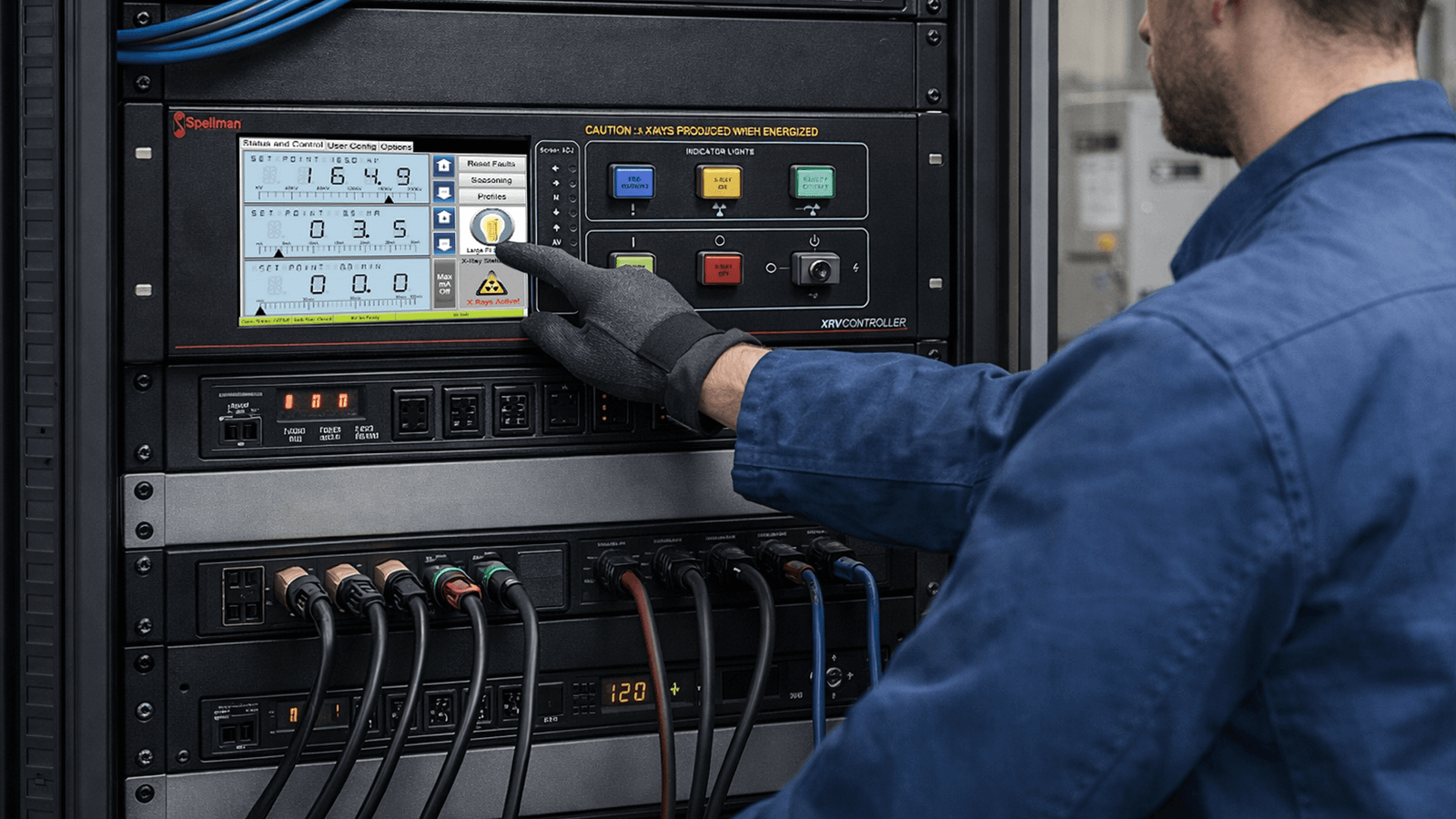
A faint flaw hidden inside a metal casting, a misplaced component beneath a circuit board, or a contaminant sealed inside packaged food can be difficult to identify from the outside. X-ray imaging makes these internal details visible, helping teams make informed decisions without cutting, dismantling, or damaging the item being examined.
The quality of that image depends on more than the detector or software. The source and its power system influence penetration, consistency, resolution, and operating reliability. For OEMs developing imaging equipment, choosing capable x ray source manufacturers is therefore an important part of building systems that deliver dependable results across real working conditions.
Precision Imaging Begins With Reliable X-Ray Sources
An X-ray system converts electrical energy into radiation that passes through an object and creates an image from differences in absorption. A stable source helps make those differences clear and repeatable.
● Understanding the Source
An X-ray source commonly brings together an X-ray tube and the components needed to operate it. In integrated designs, the high-voltage power supply, tube, and control electronics are combined in one assembly. This can reduce the number of separate components that an equipment manufacturer must position, connect, and coordinate.
The source must suit the intended application. A compact unit for a portable inspection device has different requirements from a high-power source used to examine dense industrial materials. Output voltage, current, power, focal spot size, and beam geometry all influence the result.
● Matching Output to the Task
Higher voltage can help X-rays penetrate denser materials, while current and exposure settings influence the amount of radiation produced. These parameters need to work together with detector sensitivity, object dimensions, and required image detail. Selecting a source simply because it offers the highest output may create unnecessary power, cooling, or shielding demands.
OEM teams should begin with the material, thickness, inspection speed, and image quality required. That practical specification provides a stronger basis for comparing products than a single headline rating.
Engineering Choices That Improve Image Consistency
Consistent imaging depends on controlled electrical output, thermal management, and components designed to operate together. Small variations can affect image quality and repeatability.
● Stable Voltage and Current
The generator supplies the energy required by the X-ray tube. Fluctuations in voltage or emission current can change X-ray output, affecting image consistency across repeated scans. Stable control is especially important in automated inspection, where equipment may process many items in succession and operators need comparable results.
Closed-loop control, suitable regulation, and a design matched to the tube can help maintain predictable operation. System developers should consider performance across the expected operating range, not only under one nominal condition.
● Thermal Management and Durability
Generating X-rays produces heat, so the source needs an appropriate method of dissipating it. Poor thermal design can limit operating cycles, increase component stress, or interrupt production. Cooling arrangements may use oil, air, or liquid-based methods, depending on the unit’s power and construction.
A compact design can also simplify equipment layout, but size should not come at the expense of heat removal or service access. The complete operating environment matters, including ambient temperature, duty cycle, ventilation, and available installation space.
Choosing Suppliers for Effective OEM Integration
The source must fit the wider imaging system, not simply meet an isolated electrical specification. Integration planning can reduce redesign work and support dependable equipment performance.
When comparing x ray source manufacturers, OEM teams should consider engineering flexibility, product range, documentation, and technical support alongside output ratings. A supplier with experience across different applications can help identify suitable options for voltage, power, dimensions, cooling, and control interfaces. Compatibility is equally important, as the source must work with the selected detector, shielding, enclosure, mounting arrangement, and system controls. Reviewing datasheets, dimensional drawings, electrical requirements, and interface details early can reveal potential integration issues. Clear technical guidance also helps teams manage non-standard configurations, balance performance with available space, and reduce avoidable design changes during development.
Applications That Depend on Accurate Internal Imaging
X-ray technology supports different sectors because it reveals internal structures without requiring destructive examination. The source configuration must reflect the material and inspection objective.
● Industrial Inspection and Non-Destructive Testing
Manufacturers use X-ray systems to examine castings, welds, composite structures, wood products, and other materials. The images can reveal internal voids, cracks, inclusions, or variations in thickness. In non-destructive testing, suitable penetration and image contrast help engineers assess components while preserving them for further use.
● Electronics and Food Quality
In electronics production, X-ray imaging can reveal hidden solder connections, component placement, and assembly defects that are not visible from the surface. Food inspection systems can identify certain foreign materials, such as glass, metal, or dense contaminants, depending on product characteristics and system configuration. Fast, repeatable imaging supports quality processes on production lines.
High-Voltage Generator Design Supports System Performance
The generator controls the energy delivered to the X-ray tube, influencing image quality, penetration, and the range of applications an imaging system can support.
Voltage determines the energy of emitted X-rays and their ability to pass through materials, while current affects the quantity of radiation generated. Power, exposure time, object density, and detector capability must also be considered when selecting a suitable generator. Engineers should assess continuous and peak operating requirements, electrical input, control options, and thermal limits. Available generators may use unipolar or bipolar configurations, with separate or integrated source designs depending on equipment architecture, installation space, and service requirements. An appropriately selected high voltage generator x ray solution supports controlled output for the intended imaging task. Integration must also account for interlocks, radiation shielding, grounding, cooling, and applicable safety standards.
Conclusion: Advancing Precision Through Better Power Design
Clear images begin with carefully matched components and stable power delivery. OEMs that assess source performance, integration requirements, thermal design, and application needs together are better positioned to develop imaging equipment that performs consistently. The strongest solution is not necessarily the most powerful one; it is the one engineered for the material, workflow, and operating environment.
For organisations developing imaging and inspection systems, VJ X-Ray provides integrated X-ray sources and high-voltage generators for medical, industrial, security, electronics, food, and analytical applications. Their IXS range combines the X-ray tube, high-voltage supply, and control electronics, while their HVL/HVG series offers configurable generator options for OEM integration. Their engineering and manufacturing experience supports customised requirements across a range of imaging applications.