Beyond Planning and Decoration: How Strategic Event Management Creates Memorable Brand Experiences

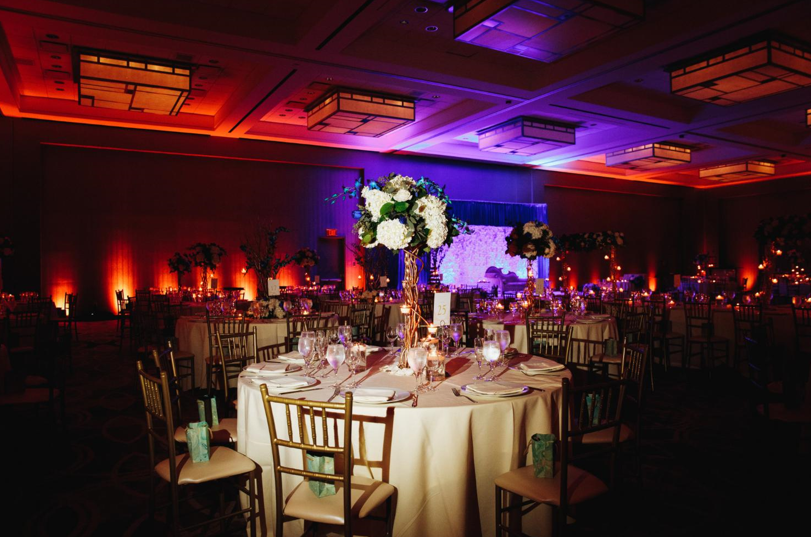
A successful event is much more than a venue, a schedule, and a gathering of guests. It is an opportunity for an organisation to communicate its identity, build relationships, introduce ideas, and create experiences that people remember. Whether a business is organising a product launch, industry conference, awards ceremony, or networking evening, every element contributes to the impression it leaves. This is why choosing an experienced Event management company in UAE can make a meaningful difference to the outcome.
The UAE has become an important destination for international business gatherings, exhibitions, conferences, and corporate celebrations. Its diverse business community and modern event infrastructure create opportunities for organisations to connect with customers, partners, employees, and industry leaders. At the same time, expectations are high. Guests look for engaging experiences, while businesses expect their events to run smoothly and support clear objectives.
Events Should Begin with a Clear Purpose
Before choosing a venue or discussing stage design, organisers should define what the event needs to achieve. A conference may be intended to share industry knowledge and encourage professional discussion. A product launch may focus on introducing a new offering and generating interest. An employee gathering might be designed to recognise achievements, strengthen internal relationships, or communicate a new company direction.
The event format should follow the objective rather than the other way around. Understanding the audience is equally important. Senior executives, business partners, employees, media representatives, and consumers may respond to different styles of communication and interaction.
A clear brief helps establish the event’s size, format, programme, budget, technical requirements, and expected outcomes. It also gives the planning team a framework for making decisions and evaluating whether each proposed element contributes to the overall purpose.
The Role of an Event Management Agency
An experienced Event management agency brings different planning and execution responsibilities together. Instead of asking the client to coordinate separate suppliers for design, production, audiovisual equipment, staffing, and logistics, an agency can act as a central point of contact.
The work often begins with discussions about the client’s objectives, brand identity, audience, and practical requirements. The team then develops a concept, prepares a plan, coordinates suppliers, manages production, and oversees the event on the day.
This integrated approach can reduce communication gaps and make it easier to manage changes. It also allows the client’s internal team to focus on business priorities and guest relationships rather than resolving every operational detail.
However, good event management is not simply about completing a checklist. It requires anticipating possible problems, understanding the venue, coordinating people and equipment, and keeping the programme aligned with the original purpose.
Designing an Experience Around the Brand
The visual and physical environment of an event influences how guests experience a brand. Entrance areas, registration counters, stages, screens, signage, exhibition spaces, and presentation materials all contribute to the atmosphere.
A well-designed event should feel consistent. Colours, typography, messaging, and visual elements should reflect the organisation’s identity. At a product launch, for example, the stage and display areas can help introduce the product’s key features. At a conference, the layout should support visibility, comfort, presentations, and interaction.
Exhibition stands require a related but distinct approach. They need to attract attention while communicating information clearly and providing space for conversations. Design should account for visitor movement, product demonstrations, storage, lighting, and brand visibility.
A creative concept is most effective when it is supported by practical production planning. Materials must be suitable, structures should be properly installed, and the finished environment must be ready before guests arrive.
Technology and AV Are Part of the Experience
Audio-visual systems can determine whether an event feels polished or frustrating. Clear sound, visible screens, appropriate lighting, reliable presentation equipment, and well-managed video content are essential for many corporate gatherings.
The technical requirements vary by event. A leadership meeting may need microphones, presentation screens, and video conferencing. A gala dinner may require stage lighting, music, visual effects, and coordinated show cues. A large conference may involve multiple screens, simultaneous presentations, recording, and audience interaction.
Technology should support the content rather than distract from it. Planning teams need to understand the venue’s technical capabilities, power requirements, equipment positions, and backup arrangements. Testing presentations, microphones, video feeds, and lighting before the programme begins can help reduce avoidable interruptions.
Virtual and hybrid formats add further considerations. Remote participants need a reliable way to watch, listen, and engage. Organisers should consider camera positions, streaming quality, moderation, digital registration, and interaction tools as part of the event plan.
The Importance of Detailed Coordination
An event involves many moving parts, and the smallest oversight can affect the guest experience. Registration queues, delayed deliveries, unclear signage, missing equipment, or an unexpected programme change can disrupt the schedule.
Detailed coordination helps prevent these issues. A production schedule should identify responsibilities, delivery times, setup periods, technical checks, rehearsals, and programme milestones. The team should also maintain clear communication between venue representatives, suppliers, presenters, and onsite staff.
Contingency planning is equally important. Organisers should consider what happens if a speaker is delayed, equipment fails, a delivery arrives late, or the programme needs to change. Having an agreed response plan allows the team to act calmly and maintain continuity.
Onsite support is particularly valuable during live events because decisions sometimes need to be made immediately. A dedicated team can monitor the programme, coordinate suppliers, respond to guest needs, and keep activities moving.
Choosing the Right Event Partner
Businesses evaluating an event partner should look beyond attractive concepts and presentation materials. They should understand the agency’s experience, service range, project coordination process, and ability to manage events of the required scale.
Useful questions include:
- Can the agency manage planning, design, production, and onsite execution?
- Does it understand the event’s industry and audience?
- Can it coordinate audiovisual services and exhibition requirements?
- How does it handle schedule changes and unexpected challenges?
- Will the client have a dedicated project contact?
- What examples of relevant completed work can it share?
It is also helpful to discuss budgets early. A transparent breakdown of production, venue, technical, staffing, and other costs makes it easier to prioritise spending and avoid confusion later.
Measuring the Value of an Event
The success of an event should not be judged only by how it looked on the day. The evaluation should reflect the original objectives. A conference might be measured through attendance, participation, feedback, and follow-up engagement. A product launch may be assessed through enquiries, demonstrations, media interest, or sales opportunities.
Businesses can gather feedback from attendees, review registration and participation figures, and discuss the event with internal teams. These insights help identify what worked and what could be improved for future programmes.
Conclusion
Memorable events are built through a combination of strategy, creativity, technology, and precise execution. From the first planning discussion to the final onsite activity, every detail should contribute to the experience and the organisation’s objectives.
For businesses seeking an experienced Event management company in UAE, Markable International offers end-to-end corporate event solutions, exhibition services, AV support, and creative brand experiences. Its team works across the event process, helping organisations transform ideas into well-coordinated experiences that connect with audiences and strengthen brand recognition.