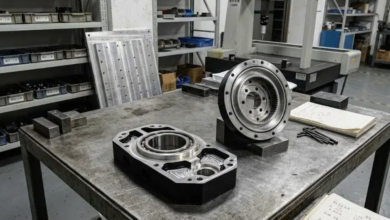
A compressor can be available on an asset register while its replacement seal sits under a different inventory code, its warranty document remains with procurement, and its latest repair cost appears only in finance. None of those records is necessarily incorrect. The problem is that they describe one asset through disconnected operational views.
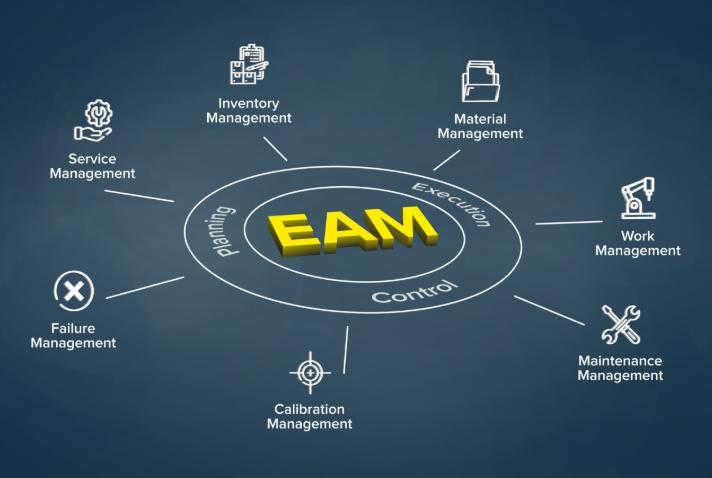
That fragmentation becomes expensive when organizations manage machinery across plants, warehouses, construction sites, or other facilities. cloud EAM software creates a shared asset record where maintenance activity, location, utilization, costs, contracts, and lifecycle information can be connected with wider enterprise processes. This gives teams context around an asset rather than another isolated equipment list.
Building an Asset Hierarchy That Reflects Actual Operations
An EAM implementation needs more structure than assigning identification numbers to equipment. Assets can be organized by company, facility, location, equipment class, or operational relationship. A production line, for example, may contain several machines, while each machine contains components with separate maintenance requirements and service histories.
This hierarchy matters when teams investigate failures. Instead of viewing a repair as an isolated transaction, managers can identify the equipment involved, its location, previous maintenance, related costs, and associated components. Useful records may cover:
- Asset identification, classification, and location
- Ownership and assignment information
- Warranty and contract details
- Depreciation and financial information
- Maintenance, transfer, and disposal history
Consistent classification also improves reporting because similar equipment can be analyzed as a group rather than through inconsistent descriptions entered by different departments.
Turning Maintenance Schedules Into Controlled Work
Preventive maintenance becomes difficult when schedules live in spreadsheets while spare parts, equipment history, and costs exist elsewhere. A structured EAM process associates maintenance requirements directly with the relevant asset. Teams can monitor scheduled servicing, repair requirements, warranties, and maintenance activity from the equipment record.
This approach changes what happens before technicians begin work. Managers can identify upcoming maintenance, understand the asset’s service history, and coordinate required resources rather than discovering missing information after equipment has already been taken offline. Real-time alerts can also provide visibility into maintenance, repairs, and asset movements.
Preventive Maintenance Scheduling
Recurring maintenance can be organized around defined equipment requirements instead of informal reminders. When scheduled activities remain connected with individual asset records, technicians can review earlier servicing and managers gain a clearer history of completed maintenance across equipment categories.
Repair History and Asset Condition
Repeated repairs can indicate more than a maintenance issue. A complete service history helps teams recognize equipment consuming increasing maintenance resources and provides evidence when deciding whether continued repair remains operationally sensible.
Warranty Tracking
A repair completed without checking warranty status can create avoidable expenditure. Keeping warranty information alongside equipment records gives maintenance and procurement teams a clearer reference before external service or replacement decisions are approved.
Maintenance Alerts
Maintenance deadlines lose value when nobody sees them. Automated alerts can surface upcoming service requirements, repair activity, or asset movements, allowing responsible teams to act before scheduled work is overlooked.
Connecting Spare Parts With Equipment Availability
A maintenance schedule is useful only when technicians have the materials required to complete the job. Integrating asset activity with inventory information helps teams understand stock availability before planned maintenance begins. This becomes especially important for organizations handling equipment whose components have long procurement lead times.
Useful controls can include:
- Real-time inventory visibility for maintenance requirements
- Coordination between servicing and material availability
- Procurement information connected with operational demand
- Stock monitoring for frequently required components
- Better visibility into resources needed for scheduled work
The objective is not simply carrying more inventory. It is ensuring that maintenance requirements and material planning use compatible information.
Following an Asset From Procurement to Disposal
Asset management begins before equipment enters service. Purchase information establishes the commercial record, while receipt, capitalization, assignment, and location create its operational identity. Once deployed, the same asset accumulates maintenance history, utilization information, depreciation, contracts, and other lifecycle records.
Eventually, managers must decide whether continued operation still makes financial and operational sense. Having acquisition, depreciation, maintenance, and performance information available within connected enterprise processes gives that decision more context. Disposal then becomes another recorded lifecycle event rather than an unexplained deletion from an asset register.
Linking Operational Equipment With Financial Control
Maintenance personnel often think in operating hours, service intervals, breakdowns, and equipment availability. Finance views the same equipment through acquisition value, depreciation, expenditure, and budgeting. An integrated enterprise asset environment creates a common information structure without requiring either function to abandon its responsibilities.
For management teams, several questions become easier to investigate:
- Which equipment is generating repeated maintenance activity?
- Where are assets currently assigned?
- Which equipment categories are underutilized?
- What maintenance obligations are approaching?
- Which assets are moving closer to replacement or disposal decisions?
These are operational questions with financial consequences, which is why disconnected asset and accounting records create unnecessary friction.
See also: What to Look Forward Bicycle Accident Lawyer in Seattle?
Designing ERP Implementation Around Asset Workflows
Implementation should begin with operational mapping rather than software configuration alone. Existing equipment records need to be reviewed for duplicates, inconsistent naming, missing ownership information, incorrect locations, and incomplete maintenance histories before migration. Otherwise, old data problems simply move into a newer platform.
Before deployment, teams should establish:
- Asset numbering and classification conventions
- Location and equipment hierarchy
- Responsibility for creating and modifying records
- Maintenance scheduling procedures
- Approval requirements for asset transactions
- Reporting and dashboard requirements
- Connections with procurement, inventory, finance, and related processes
This groundwork reduces ambiguity after launch. Users know which records they own, which information must be maintained, and how their actions affect downstream processes.
Final Thoughts
What changes when an asset record can answer operational and financial questions at the same time? Equipment stops being a static entry on a register and becomes a traceable lifecycle record covering acquisition, assignment, maintenance, utilization, contracts, depreciation, and eventual disposal. For organizations planning asset management ERP implementation in UAE, that level of structure is essential when numerous teams participate in the same asset lifecycle.
Through its EAM Cloud and Asset Management capabilities, ePROMIS connects asset lifecycle management with maintenance, inventory, contracts, financial information, compliance, reporting, and wider enterprise processes. Its centralized approach gives asset-intensive organizations a practical framework for controlling equipment records and maintenance activity while keeping operational decisions connected with the broader ERP environment.