Introduction
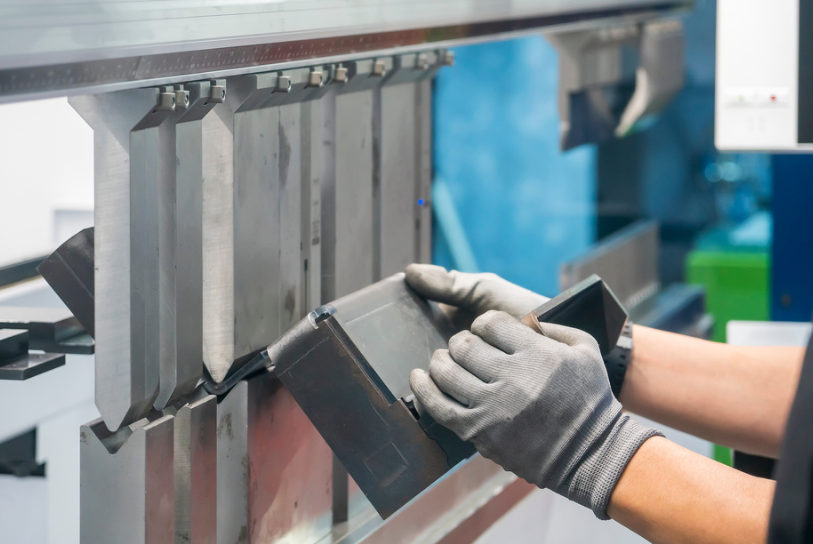
Metal fabrication is a cornerstone of many manufacturing industries, and among the most commonly used machines in a fabrication shop is the press brake. These powerful devices bend, form, and shape metal with precision and force. However, with power and productivity comes risk. If operators and employers do not adopt effective safety strategies, serious injuries can occur. This article explores key safety practices in press brake operations, with a focus on the latest protective technologies such as press brake laser guard systems, training essentials, regulatory expectations, and organizational culture that prioritizes safety.
Understanding Press Brake Hazards
What Makes Press Brakes Risky
Press brakes are designed to exert immense pressure to form metal. While this force enables accurate shaping of material, it also creates inherent risks. Operators can be exposed to crushing points, shearing zones, and ejected debris. Without proper safety precautions, these hazards can lead to serious injuries such as crushed limbs, severed fingers, or even fatalities in extreme cases. Recognizing and mitigating these dangers is critical.
Real-World Incident
Consider a fabrication shop where an experienced operator was adjusting a part within the press area during machine setup. Without appropriate guarding in place, the press cycled unexpectedly, resulting in a serious finger injury. Incidents like these underscore the necessity of integrating multiple layers of safety measures rather than relying on operator experience alone.
The Role of Safety Technology
The Evolution of Machine Safety
Historically, press brakes relied on basic barriers and physical guards to prevent access to dangerous areas. As technology advanced, safety systems became more sophisticated. One of the most effective innovations in recent years has been the implementation of press brake laser guard solutions. These systems use laser light curtains or optical sensors to detect the presence of an operator’s hands near hazardous zones. If a hand or body part breaks the laser field, the machine automatically stops or prevents initiation of a pressing cycle.
How Laser Guard Systems Work
Laser guard systems create an invisible protective perimeter around the die area. When an operator’s hand enters this safeguarded zone, the laser sensors immediately signal the press brake controller to halt motion. This happens so quickly that it significantly reduces the chance of injury. Unlike traditional physical barriers, laser guard systems provide flexibility in workpiece loading and do not obstruct visibility, allowing operators to maintain productivity without compromising safety.
Advantages of Laser Safety Systems
- Improved Reaction Time: Laser systems respond instantly, preventing machine activation if an operator is in the danger zone.
- Enhanced Visibility: Operators can clearly see the tooling and workpiece without obstruction.
- Greater Efficiency: Unlike bulky guards, laser systems allow faster material handling, supporting continuous workflow.
- Reduced Risk of False Stops: Advanced systems can distinguish between operator presence and material, minimizing unnecessary interruptions.
See also: Advancements in Modern Electric Motor Technology
Regulatory Expectations and Compliance
OSHA Standards in Fabrication Shops
The Occupational Safety and Health Administration (OSHA) sets stringent requirements for machinery safety in manufacturing environments. OSHA’s general industry standards cover machine guarding, operator training, lockout/tagout procedures, and hazard communication. Press brakes fall under these general press brake laser guard machine safety rules, and compliance is mandatory to protect employees and avoid penalties.
One of the core OSHA requirements involves ensuring that employees are not exposed to moving parts or hazardous areas without adequate protection. Laser guard systems, along with other guarding devices, play a vital role in meeting these expectations.
Employer Responsibilities
Employers must conduct thorough risk assessments that identify potential hazards associated with press brake operations. After assessing hazards, employers should implement appropriate controls which may include fixed or interlocked guards, laser safety systems, emergency stops, and safety signage. Another critical duty is to ensure operators are adequately trained to use the press brake safely, including understanding the purpose and function of safety devices like laser guards.
Training and Education
Comprehensive Initial Training
Before an operator is permitted to run a press brake, they should undergo comprehensive training that includes machine setup, safe operation procedures, recognizing hazardous situations, and the proper use of safety technology such as laser guarding. Training should be practical and hands-on, reinforcing how to follow procedures while maintaining quality production.
Ongoing Skill Development
Safety training should not be a one-time event. Regular refresher courses help reinforce correct behavior and introduce any updates in safety procedures or technology. For instance, when a new type of press brake laser guard is installed, operators need to understand its functions, limitations, and maintenance needs.
Mentorship Programs
Pairing new operators with experienced mentors can improve learning outcomes. Mentors can offer practical tips that textbooks often omit and can help new employees build confidence in using safety systems effectively.
Creating a Safety-Focused Workplace Culture
Leadership and Accountability
Safety culture begins at the top. Managers and supervisors must demonstrate commitment by allocating resources for safety training, encouraging reporting of hazards, and recognizing employees who follow best practices. When leaders actively participate in safety activities, it sends a strong message that safety is as important as productivity.
Empowering Employees
Encouraging employees to voice concerns and suggest improvements fosters a sense of ownership over workplace safety. Anonymous reporting systems and regular safety meetings can help surface issues that might otherwise go unnoticed. Open communication ensures that potential hazards involving press brakes are addressed before they lead to incidents.
Daily Safety Rituals
Instituting daily safety checks, such as pre-operation inspections, toolbox talks, and quick risk assessments before each shift, keeps safety top of mind. These rituals take only a few minutes but can prevent costly accidents.
Inspection and Equipment Maintenance
Routine Inspections
Regular inspection of press brake equipment is essential to ensure that all components operate correctly. This includes checking machine guards, laser sensors, control systems, and mechanical parts for wear and tear. Any malfunctioning safety device should be addressed immediately.
Preventive Maintenance
Scheduled maintenance not only prolongs the life of the machine but also ensures that safety features remain reliable. For laser guard systems, maintenance might include cleaning sensors and verifying alignment. Keeping detailed records of inspections and maintenance activities helps build accountability and can be useful during compliance reviews.
Responding to Incidents
Immediate Actions
In the event of an accident or near miss, operators should follow established emergency procedures. First aid or medical assistance should be provided without delay. The scene should be preserved for investigation to understand what went wrong.
Investigating Incidents
A thorough investigation can reveal underlying causes, such as procedural gaps, inadequate training, or faulty equipment. By identifying root causes, employers can take corrective actions that prevent similar incidents in the future.
Learning and Sharing Insights
Sharing findings with the entire workforce can turn an unfortunate event into a learning opportunity. Educating all employees on the lessons learned encourages continuous improvement and reinforces the importance of safety practices.
Conclusion
Press brakes are indispensable tools in modern metal fabrication, but they present significant risks without proper safety measures. Embracing advanced protective technologies such as press brake laser guard systems, ensuring rigorous training and compliance with OSHA requirements, and fostering a culture that prioritizes safety are essential steps in reducing workplace injuries. Ultimately, safe operations benefit everyone—protecting employees, enhancing productivity, and improving the overall quality and reputation of the business.